A new series where both Lulu & Nici read the same book, and share their individual perspectives and interpretations. No shared notes and no influencing each others opinions. Just two readers, the same book and two sides of the story.
For the first edition: White Nights by Fyodor Dostoyevsky.
Set in St. Petersburg, White Nights follows a lonely dreamer who, over the course of four summer nights, forms an unexpected connection with a young woman named Nastenka. An exploration of loneliness, unrequited love, fleeting encounters, and the fine line between dreams and reality.
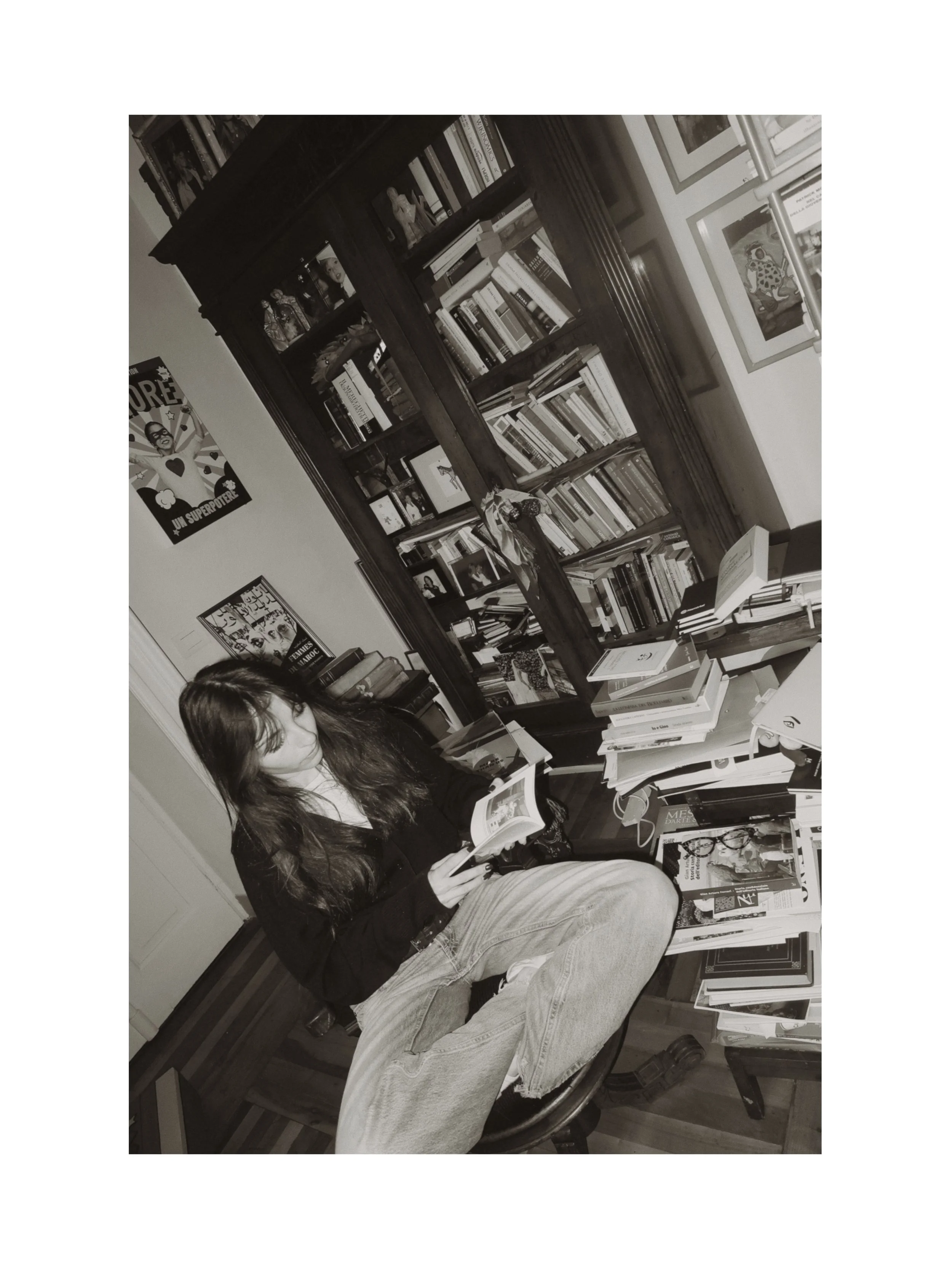
Lulu's Review
I usually approach classics knowing as little as possible about them. Having already read Crime and Punishment and several of Dostoevsky's shorter works, however, I knew to expect an intricate, introspective story that would leave me questioning my own life and the depths of the human soul. What surprised me about White Nights was the narrator's almost childlike sensitivity. His innocence occasionally borders on the unsettling, yet rather than finding him disturbing, I developed an unexpected empathy for him.
What fascinated me most, though, was how incredibly contemporary his character feels, despite having been written almost two centuries ago.
From the beginning, the unnamed narrator, the Dreamer, reveals a distorted relationship with reality. He personifies the houses of St. Petersburg, imagines friendships with strangers he has never spoken to, and feels saddened when these imagined acquaintances leave the city.
He lives almost entirely within his own mind. And isn't that strangely familiar?
Today, we spend countless hours immersed in digital worlds, constructing our own versions of reality through social media. Algorithms continuously shape how we perceive the world, often without us even realising it. We develop attachments to people we've never met, compare our lives to realities that might not even exist, and mistake digital proximity for genuine human connection.
In a way, aren't we all becoming modern-day Dreamers?
The narrator's desperation for human connection becomes particularly moving when he meets Nastenka. The mere possibility of seeing her again is enough to sustain years of imagined happiness. Yet I wondered whether he was falling in love with her or simply with the feeling of finally being seen.
As the story approaches its bittersweet conclusion, I found myself thinking less about romantic disappointment and more about what those few nights represent for someone who has spent so much of his life imagining rather than experiencing it.
Edmond Awad, reflecting on White Nights, wrote something that perfectly captures its essence:
“We must learn to live in reality, live externally, not within ourselves. Live with others.” I couldn't agree more.
For me, White Nights is a reminder that imagination can make life infinitely more beautiful, but without genuine human connections to anchor us, it can also distance us from reality.
After all, what's the point of dreaming about a beautiful life if we forget to live one?
Nici’s Review
In full transparency, when I first picked up the book, I was a little scared. Every review I had read, every person I had told that it was my first time reading White Nights, warned me: “Brace yourself. It’s going to destroy you. You’re going to cry.” etc. And so, when I put down the book the first time, feeling neither destroyed nor having shed a tear, I thought maybe I was the problem.
So I read it again, almost forcing myself to feel something deeper, something more painful, something more empathetic? And with my second time reading it, I realised that the first time I hadn’t read it the way I normally approach books, because I read it with the expectation of being hurt.
This time, I found that while I didn’t necessarily pity the dreamer, I understood him more than I’d like to admit.
When you live in your head, you can construct your world to be as beautiful as you want it to be. You can imagine the conversations, the people you’ll meet, and the way things will happen: it’s safe. You are in control of the narrative, and therefore, to some extent, protected from disappointment. Because the moment you step outside your head and actually begin to experience things, you give up that control. And in real life, things rarely turn out exactly as you imagined them.
The dreamer, however, took the risk. He let himself experience something. Correction: not just something, but love.
For a moment, he got to actually live in the world he had spent so long imagining. And then, he found himself back where he started: alone with his thoughts, except that now he had something he grieved. Before, he had been lonely without knowing what he was missing. Now, he knew exactly what it felt like to be happy and to imagine a future with someone, and it was all taken away.
And the ending, his absence of spite towards Nastenka, left me wondering whether he is so accustomed to having so little that he is willing to see one brief experience of happiness as enough for his entire life. To me, it goes without saying that “it is better to have loved and lost than never to have loved at all.” I think the dreamer would agree.