Everything Intentional: Mona Lou on What Gives Her Art Its Substance
Some people you meet once and already know you'll be hearing from them again.
Meet Mona Lou, and remember the name.
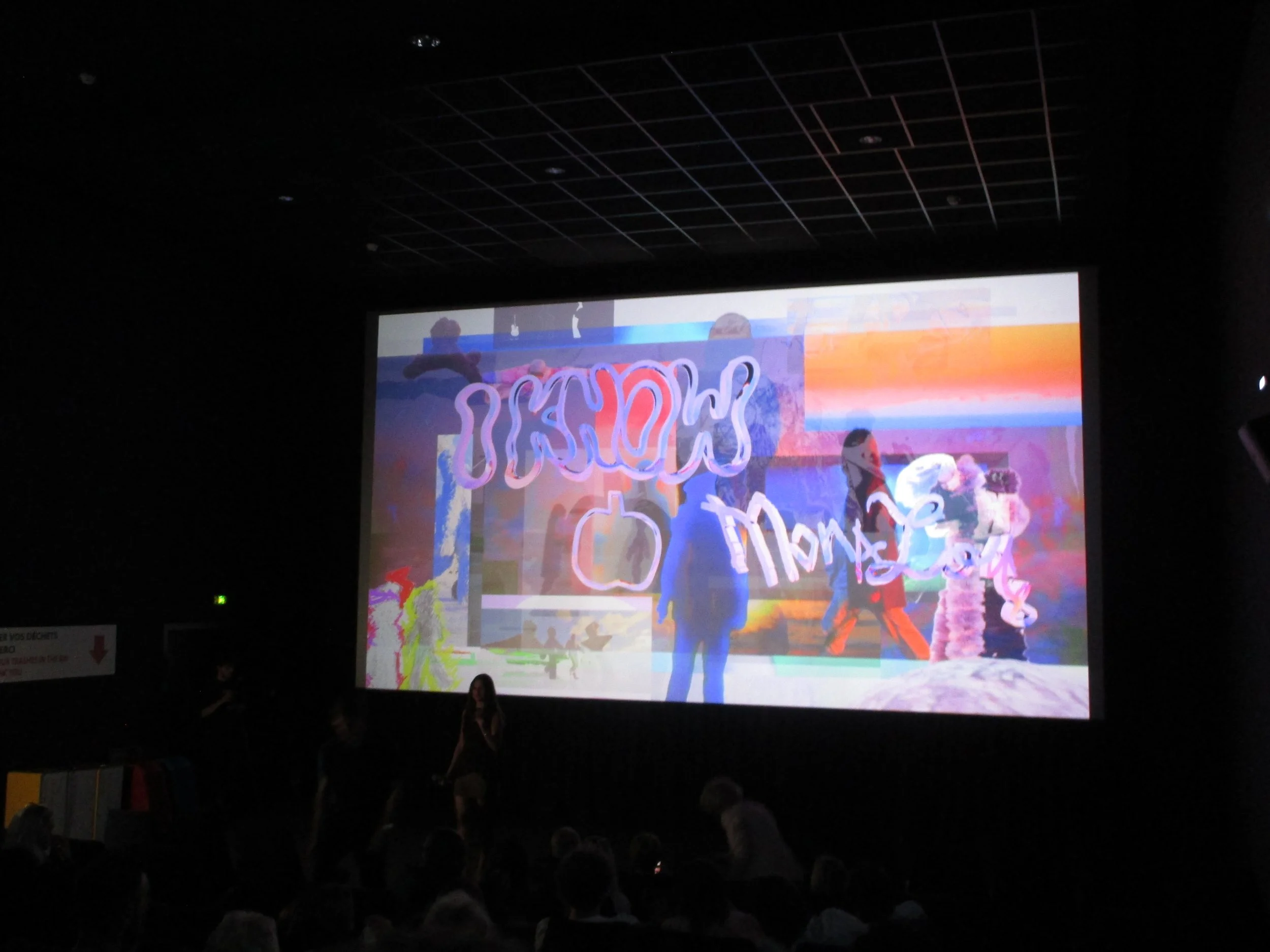
At 22, the Monegasque singer just launched her single i know at the Cinéma des Beaux-Arts in Monaco — hand-drawn sketches, no AI, her brother behind the camera, and a room full of people who showed up. We sat down with her to talk about slowness as a choice, making something entirely your own in a world that keeps offering shortcuts. She wasn't interested in the shortcuts.
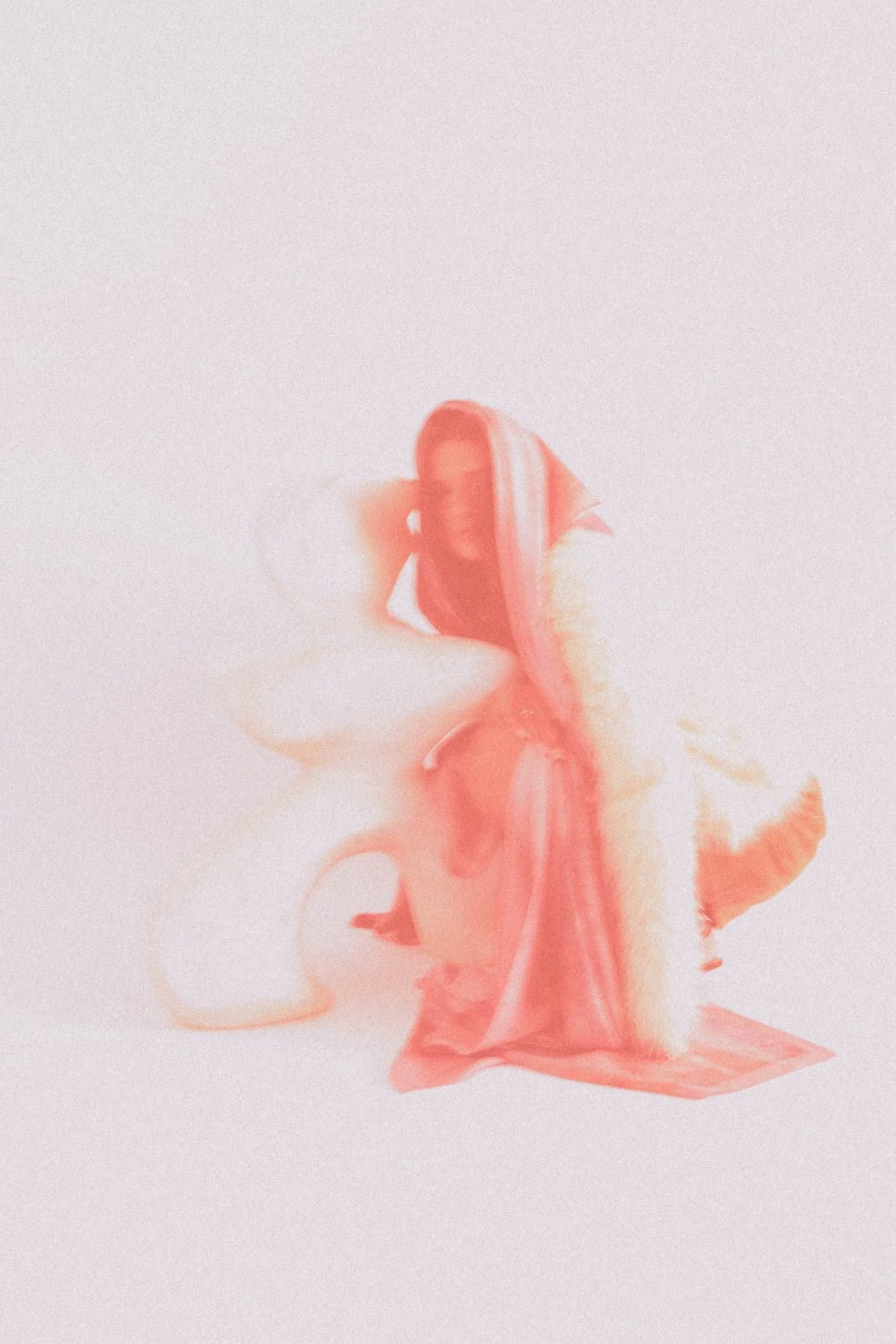
The Cinéma des Beaux-Arts is a specific kind of place — old, public, unapologetically analog. What made it feel like the right room for this moment?
When thinking about the release, there were things my brother and I wanted to honor: the image and the sound. A cinema felt like one of the best places to bring those together. There’s also something about culture when choosing a cinema. The music video, apart from being a music video, is to me a digital artwork, so we had to find the right place to honor it. The project is about music, but also about culture and the way we express emotions and ideas through art. It also felt like an honour for us because the Cinéma des Beaux-Arts is such a symbolic place in Monaco. There’s a real history attached to it, which made the experience even more special for us.
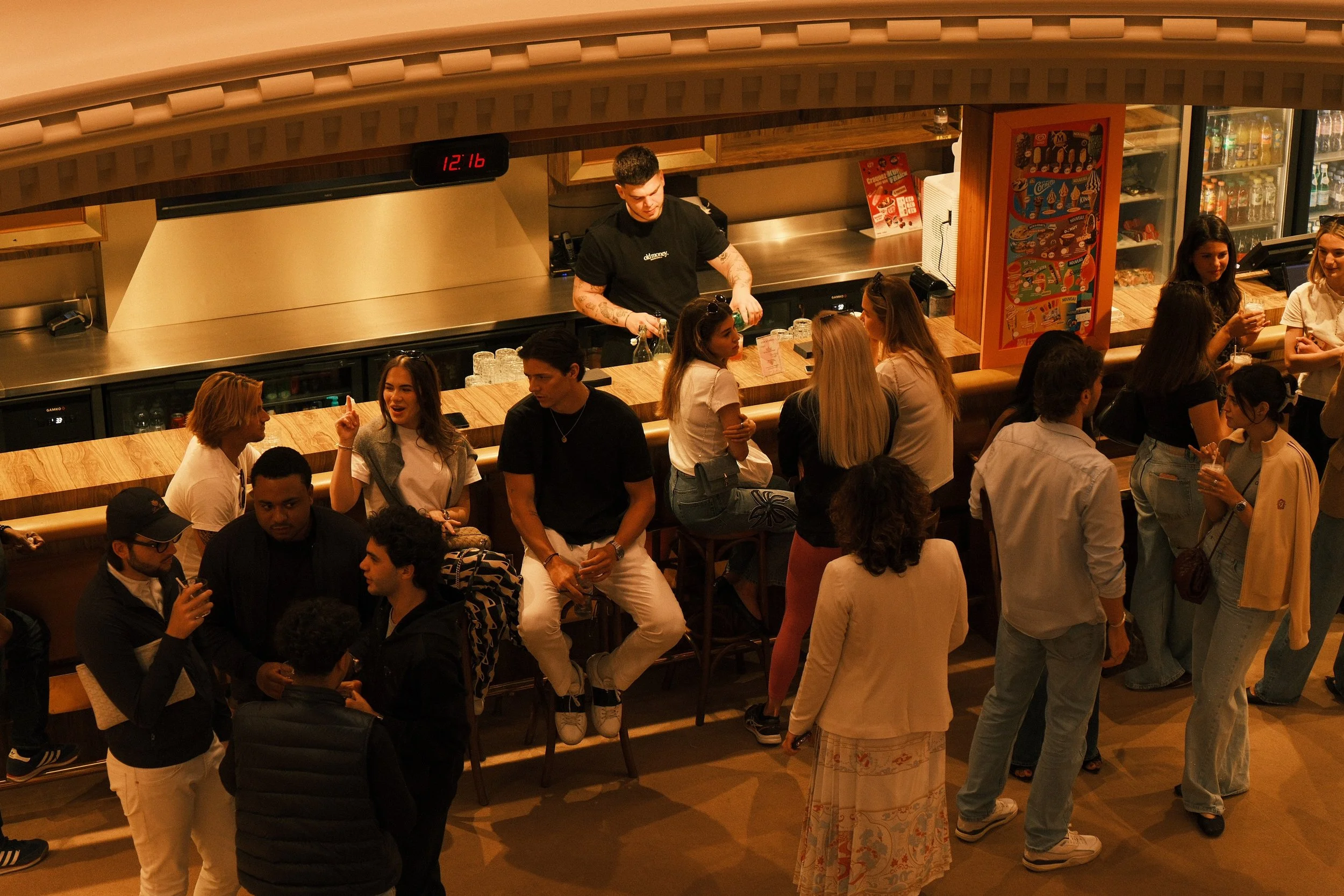
Picture by Victor Simard
There’s a whole generation that grew up watching everything alone, in bed, on a laptop. You chose to make this a collective moment instead. What does it feel like to ask people to show up physically, together, for your work?
It was really important to me to make this a collective experience. I love watching movies, especially in theaters, because of the way it becomes a shared experience. You can literally feel the energy in the room and see how what’s projected on the screen reflects in the people watching.
On a more emotional level, it also meant a lot for us to be surrounded by everyone who supported the project and to experience that moment together. We were very lucky to be able to share it collectively.
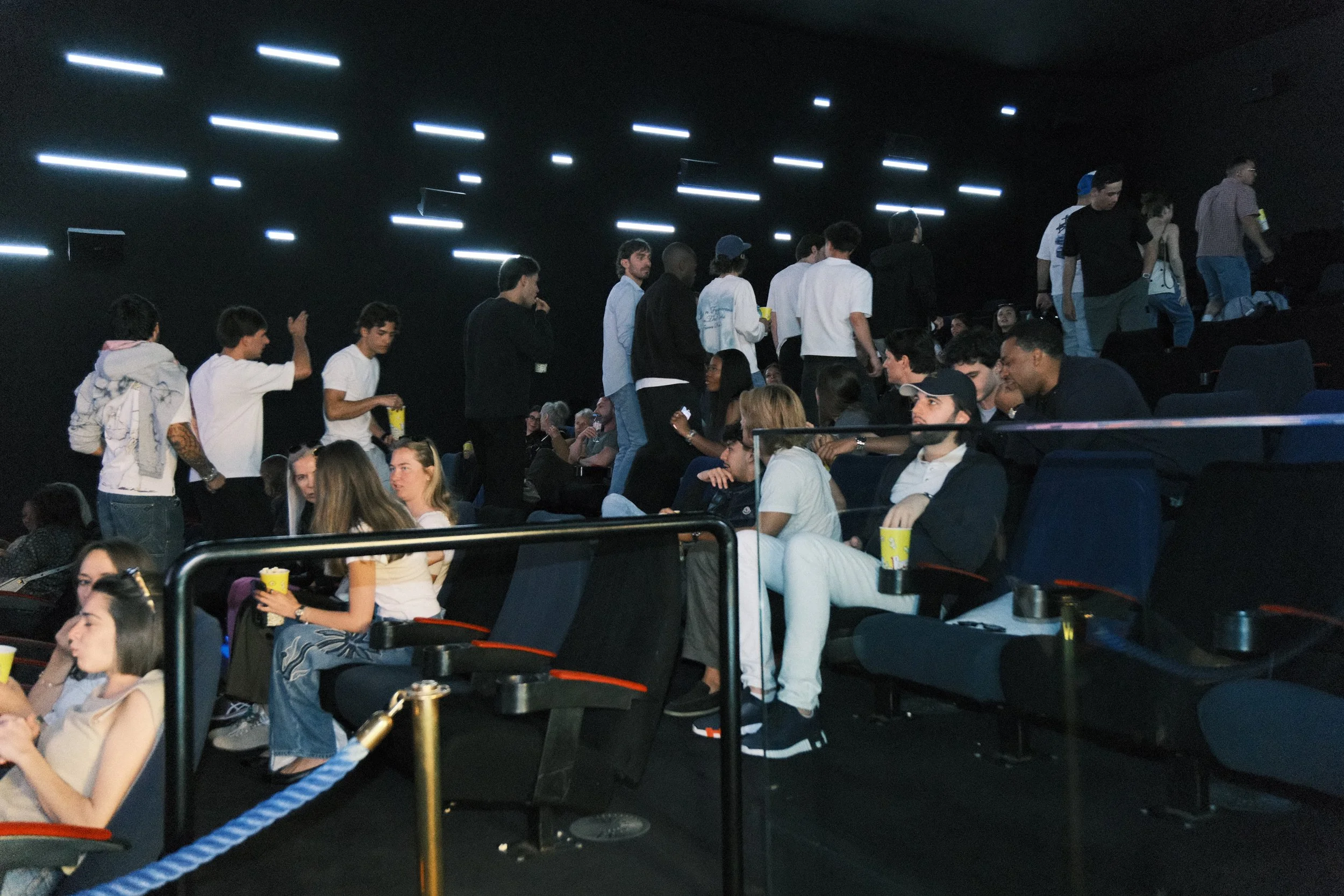
Picture by Victor Simard
More than what you felt, what did you hope people would feel? And why?
To be honest, I didn’t really have a specific goal regarding people’s reactions. I think I just wanted them to immerse themselves in the screen — the same way I would want them to feel when listening to i know. For me, that’s the whole purpose of music or cinema: to travel through a piece of art. It was also important for us to explain how i know was made, how we crafted it over time with the resources we had, but most importantly to reflect the passion we put into the project.
The sketches in the video are yours and your brother’s. At what point did you decide that these drawings — not a studio’s, not a professional animator’s — had to be the ones?
It was important to us to keep it to ourselves because the drawings were deeply intertwined with the 3D models, one way or the other. The sketches and the digital elements constantly inspired one another, so keeping everything handmade and personal felt beneficial to the project as a whole.
There’s a rawness to hand-drawn work that can’t be faked. Were there moments where you thought about cleaning it up, making it more polished? What made you keep it as it was?
I’m far from being a professional illustrator haha, honestly, I’m not even someone who draws on a daily basis. But I loved the process, and it felt important that the drawings remained mine because they were an extension of my thoughts regarding the lyrics and the meaning I wanted the song to carry.
I definitely felt that drawing them myself was part of the vision. To me, a music video is an extension of the world and emotions of a song. That’s also why it was important for my brother and me to create the video ourselves from beginning to end. So making the drawings personally just felt like the natural continuation of that process.
Can you share the process behind the sketches and how they made it into the video?
Some of the sketches were actually made before I had even recorded the song. I tend to use very simple and quick drawings to express my thoughts, especially creatively.
We didn’t really set strict rules regarding the materials or techniques we would use — we wanted the process to stay intuitive.
For example, we bought scratch-art cards at the airport and, while on the plane to Dakar, we created around fifty of them. In the end, those drawings became maybe a few seconds of footage in the music video.
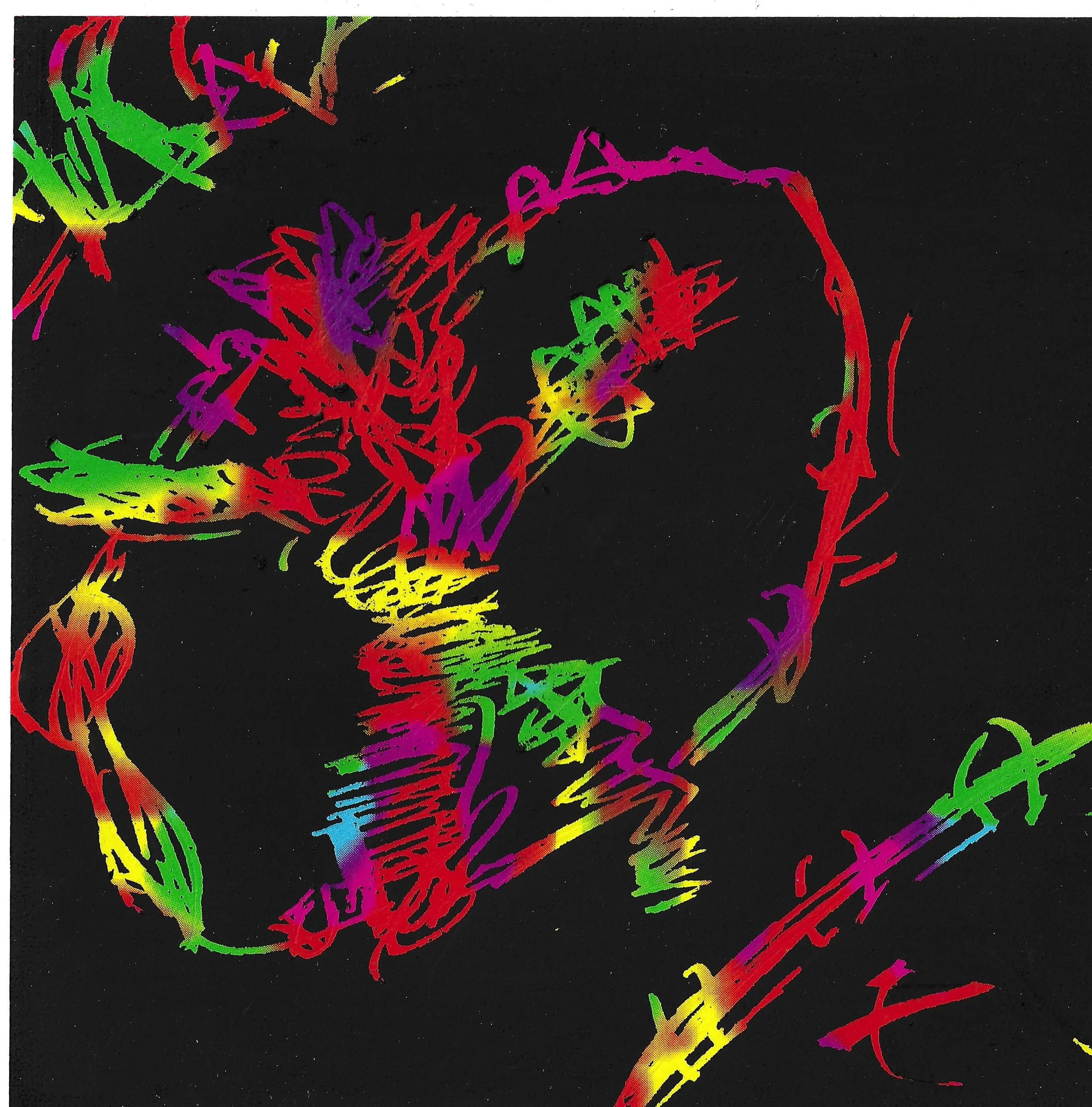
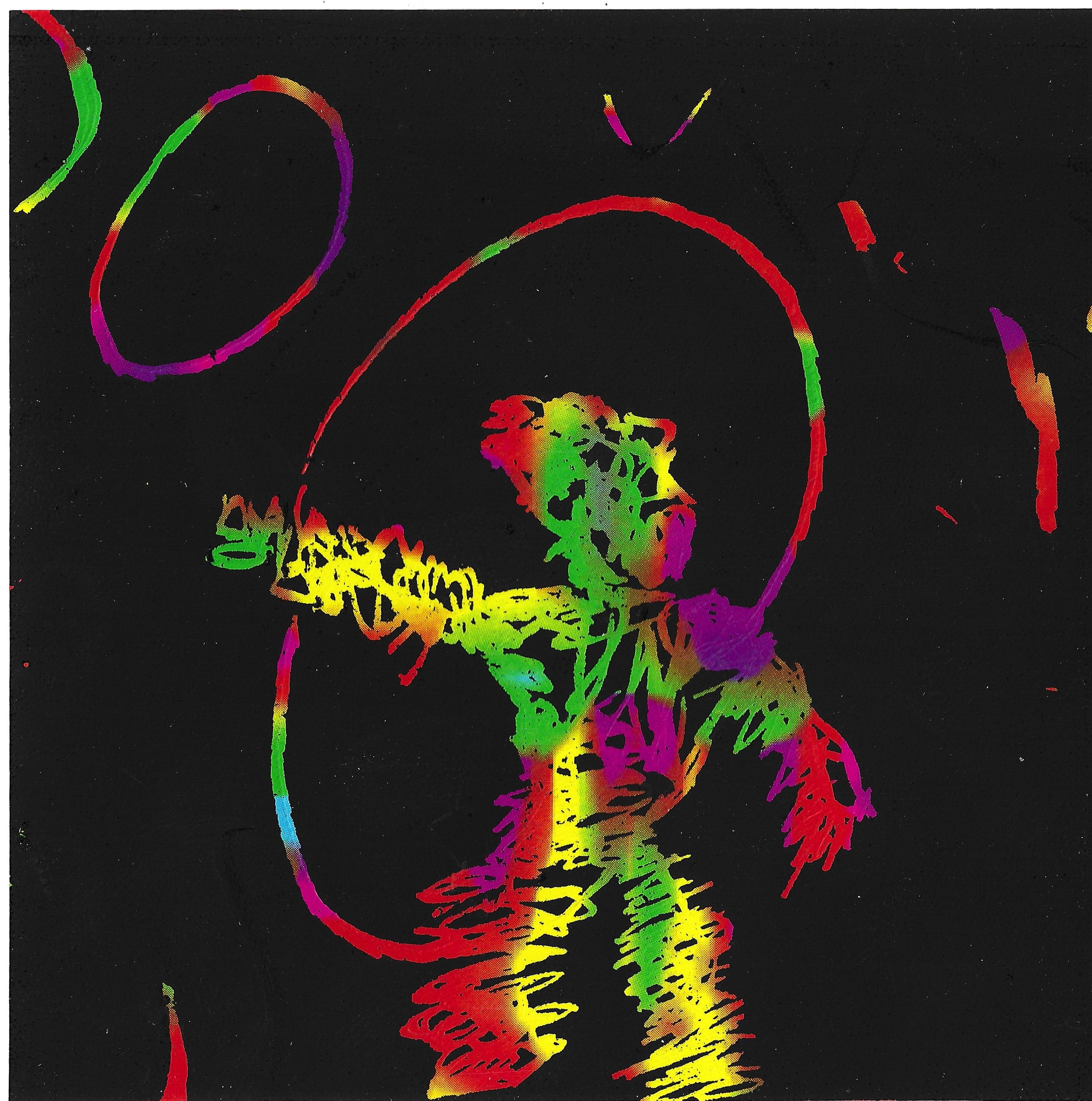
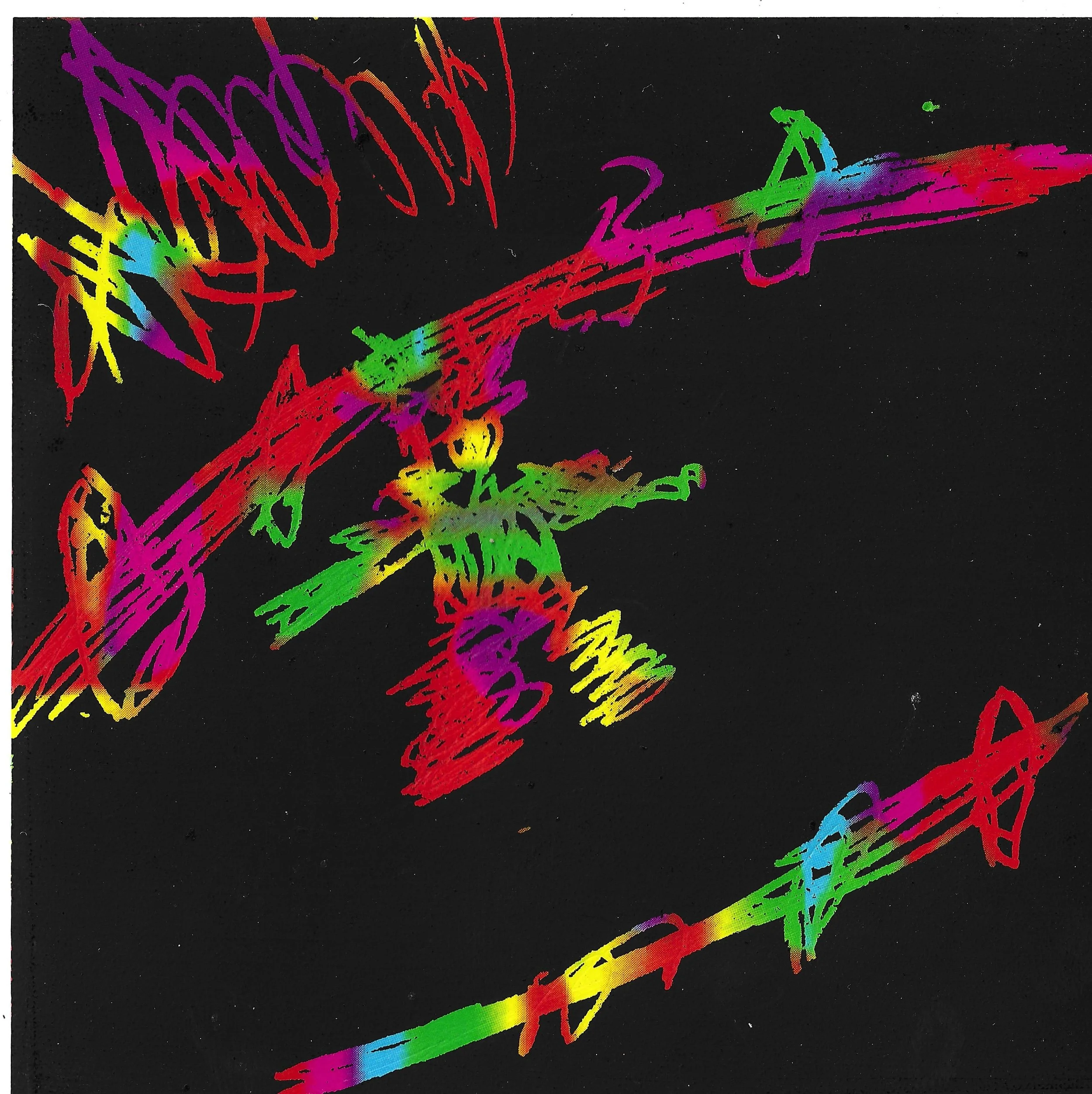
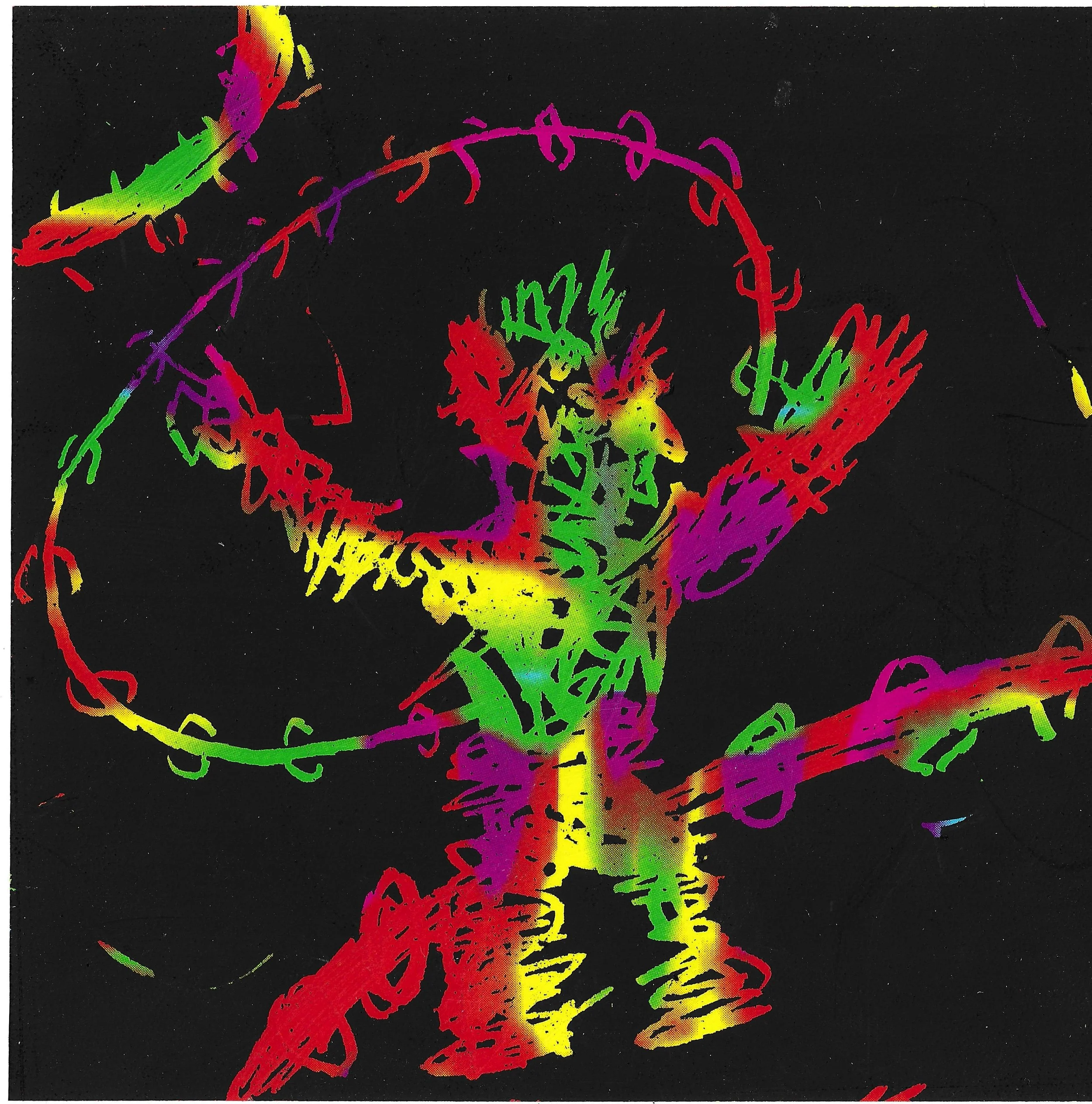
In your preview, you highlighted that no AI was used. The video is visually maximal, and yet everything in it was crafted, not generated. Why was it important to you that people know that?
It was important to us as today the line between what is AI-generated and what isn’t has become very slim.
At the same time, because 3D art is still relatively new to many people, a lot of audiences tend to confuse 3D renders with AI-generated visuals — me too at first, even though they are completely different things. Through my brother, who is a digital artist, I discovered a completely new perspective on how humans can use 3D tools to express creativity — while still keeping the intellectual and emotional substance entirely human rather than generated by a machine.
There is now an entire generation of 3D artists using digital tools to express their art, but the creative substance still comes entirely from them.
Every 3D shot in the video was intentional. Nothing was left in the hands of artificial intelligence. It was really important for me that this distinction was clear, because I personally find this evolution of art fascinating.
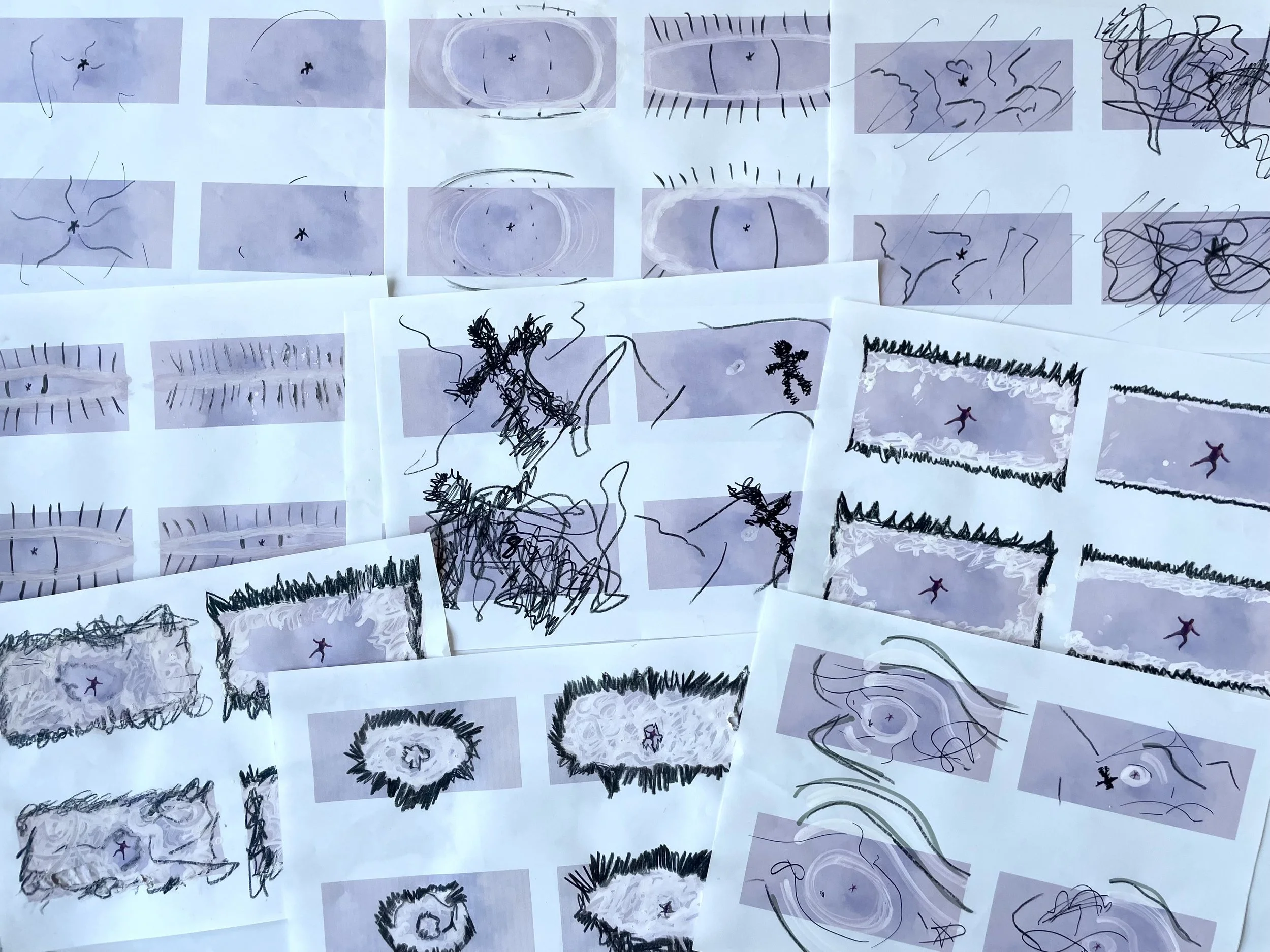
We’re at this moment where AI can generate visuals in seconds that look like months of work. What does it feel like to go in the opposite direction: slower, more human?
We wanted to highlight the fact that today everything is becoming increasingly digitalized, and to us, this is something we should embrace.
However, what we love is the collaboration between humans and those tools — not the total replacement of human intelligence by artificial intelligence.
Digital tools can produce incredible visuals and outstanding quality, but we still love the idea that the craft and the creative core come from a human being. It’s a bit like an artisan sculpting something from beginning to end, just with much more advanced tools nowadays.
Do you think there’s something political about that choice, even if it didn’t start that way?
To be completely honest, there was never any political intention behind that choice. It came from something much more instinctive. We simply wanted to protect the human aspect of the creative process.
That being said, I understand why it could be perceived as political today, because we’re living in a moment where technology is evolving incredibly fast and where the place of human creativity is constantly being questioned.
For us, it was never about rejecting digital tools, we actually love them. What matters to us is preserving the idea that behind the tools, there is still a human vision, human emotion, human imperfections. That’s what gives art its substance.
Mona Lou doesn't talk about her work the way people usually talk about launches. She talks about it the way you talk about something you've been thinking about for a long time and finally found the words for. Carefully, without rushing to the point, because the point isn't always the only thing that matters.
This idea comes through in everything: from the scratch-art cards made on a plane and the drawings she started sketching before the song was even recorded, to the cinema full of people she wanted to be in the room with.
i know is out now. Watch the full music video here.
And even bigger things are already being made, we'll be here when it arrives.
