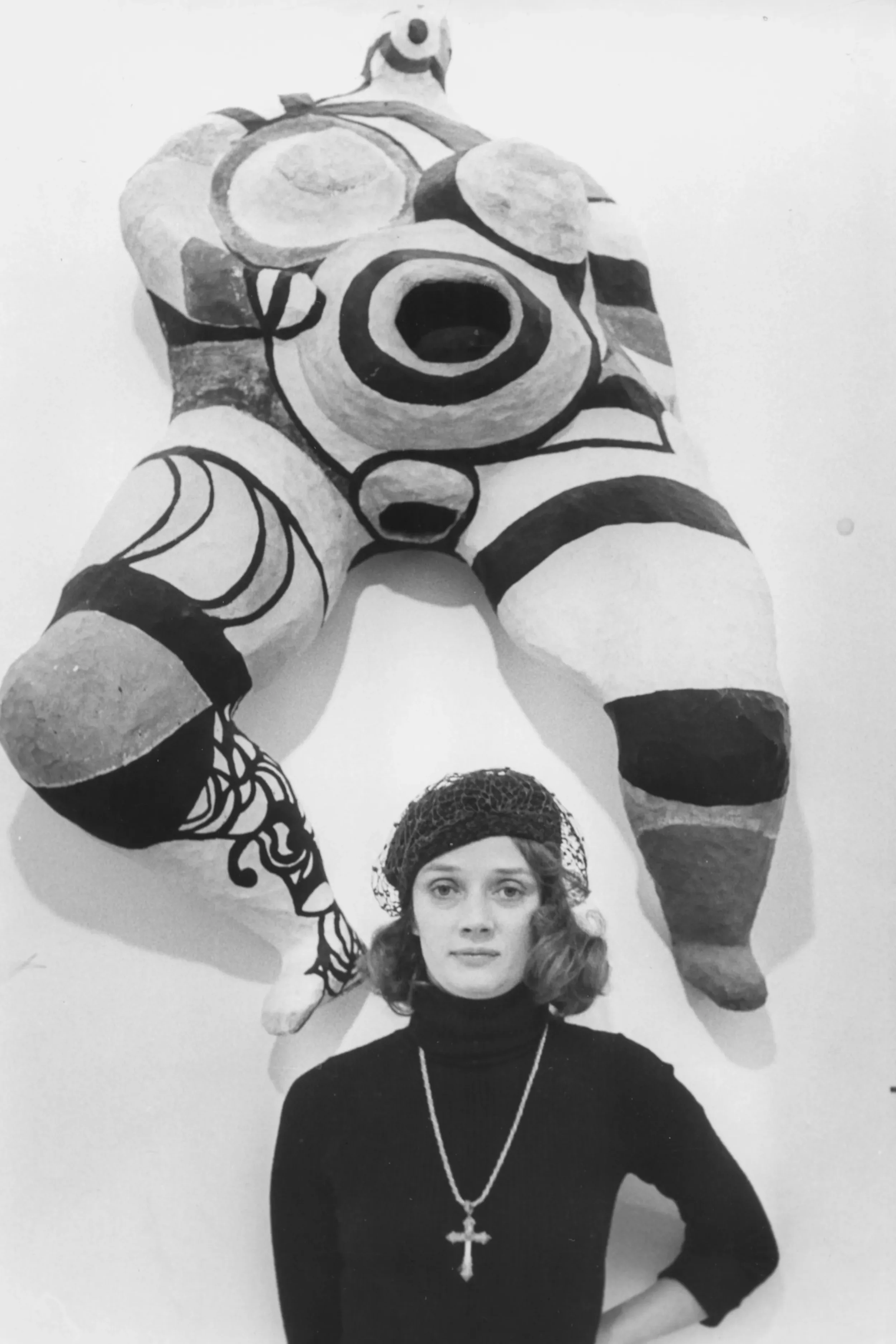
Niki De Saint Phalle: A radical artist who shot at her own canvases and started a rebellion of joy.
Niki De Saint Phalle was a rebel. She was a radical female artist that held the attention of the art world through her tumultuous and vibrant art at a time where a woman’s role was still dictated by her family or a man. She made art, sculpture, furniture, architecture, films and she followed all her creative ideas relentlessly. She shot at her canvases and made them bleed. She fired at religion, politics and her past but then she “understood that there is nothing more shocking than joy.”
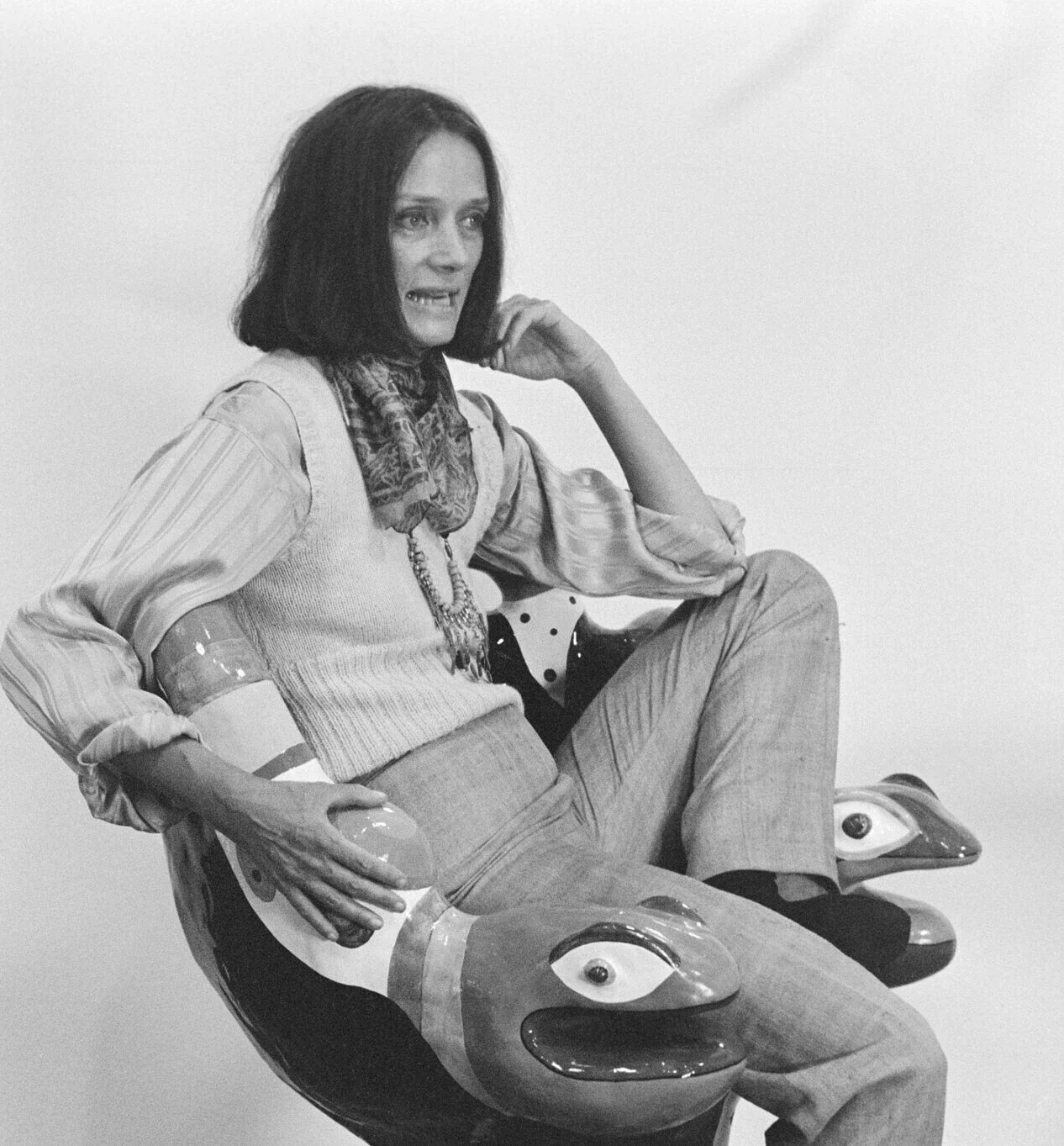
She started a joy rebellion using colours, symbols, animals and female figures. She took over cities with her gigantic Nana sculptures which represented free and powerful women worldwide. Her Nanas danced in public squares; her mythical animals soared over crowds: her work represented freedom, using joy. She transformed the pain of her childhood and the pain of women’s restriction into happiness, culminating into her greatest work: The Tarot Garden a “garden of joy” featuring 22 gigantic figurative sculptures.
As a young artist, designer and a woman, Niki De Saint Phalle has inspired me to radiate joy in my work. My personal design practice is in emotional design because of her influence. She once said:
“In this world of so much pain, if a sculpture of mine can give a moment of joy, a moment of life to a passerby, I feel rewarded.”
That is the rule my work lives by, I want to create a moment for a viewer to pause. Where admiration can create reflection and an emotional connection to my work. In a world of uncertainty, even a small moment to bring joy to someone else is what I aim for, and I learned that from Niki.
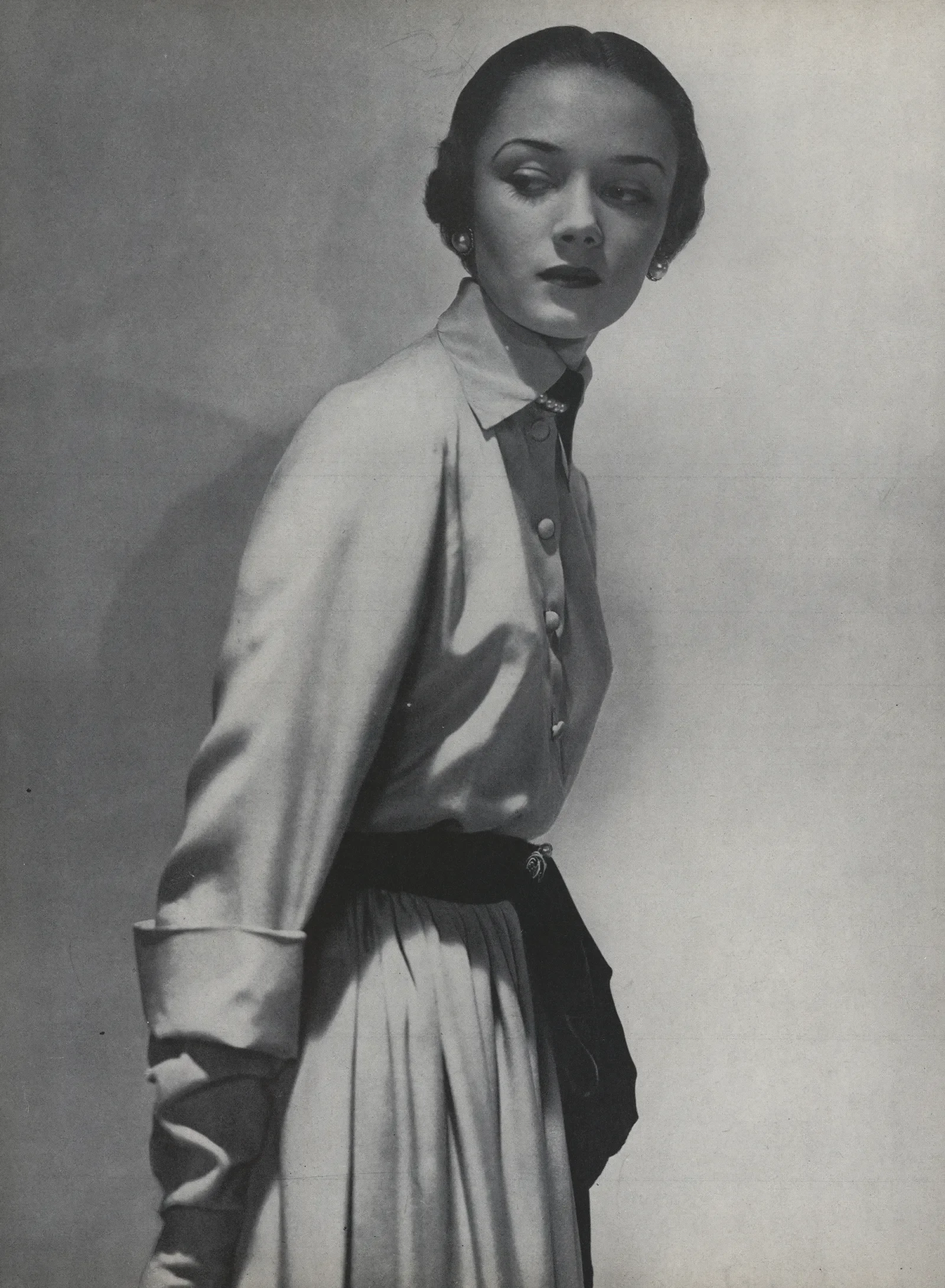
Niki De Saint Phalle was born in France and raised in America. Her mother was a strict woman who made Niki conform to the specific rules set out for women in the society of the 1930s. One evening when Niki saw her mother folding linen for the house she realised, she never wanted to become a housewife. Niki also has a traumatic experience as a child; she called it the “summer of the serpents” where her father began to abuse her when she was 11. She wanted to fight against what had happened to her and the pain built up inside her, but she kept everything a secret. Niki found a way to leave her family circle, and she married her first husband at only 18 years old. She also began a modelling career to make a living, and she did covers for Vogue, Elle, and Life Magazine.
At 22 everything changed for Niki. She discovered the power of art when she was admitted to a psychiatric hospital. After holding all the pain of her troubled childhood, she also realised that her husband was having an affair and she couldn’t deal with the emotions anymore. However, the clinic changed her life: she discovered art as a medium to work through her difficult emotions.
“My mental breakdown was good in the long run, because I left the clinic a painter.”
All her pain and anger of her past was transmuted into art. She moved into a small art studio in Paris, and she began to focus completely on art. Her first works were violent and aggressive, but that is how she fought against the world that damaged her. She made reliefs out of plaster using sharp objects, symbols of the patriarchy and the church, dolls, skulls, guns and she wanted to make canvases bleed.
“I was lucky to encounter art, because I had, on a psychological level, all it takes to become a terrorist. Instead of that I used the rifle for a good cause—that of art.”
She began to shoot and fire against her past. It was a war that started since she was young and she was ready to fight back. Her Shooting series started in 1961 where she placed bags of paint on a canvas covered it in plaster and fired at it with various guns. Each shot made the white canvas drip with colours. The Shooting series was performance art which was recorded or had an audience. This series gave her recognition in the art world, and she travelled to perform her shoot outs all over the world.
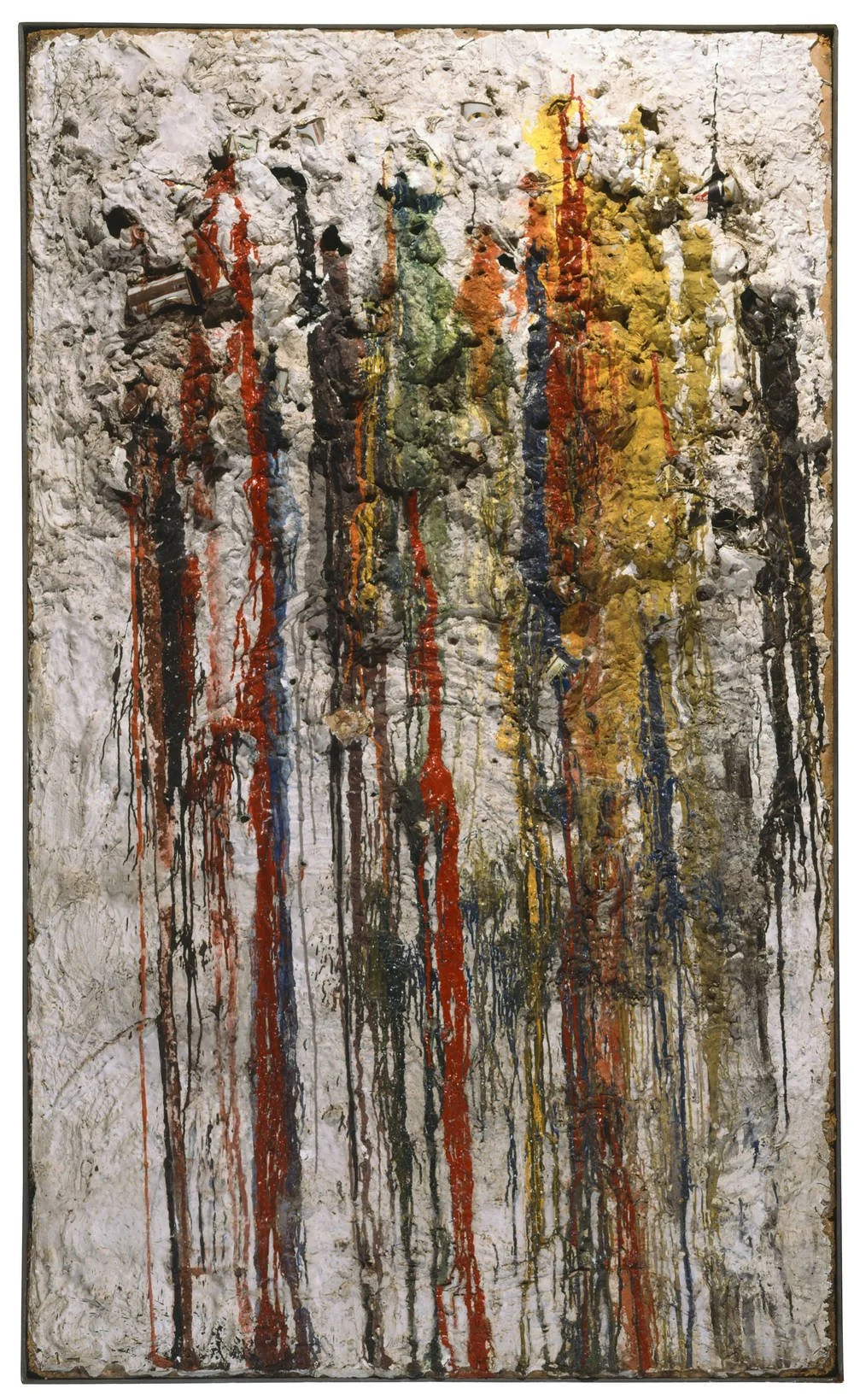
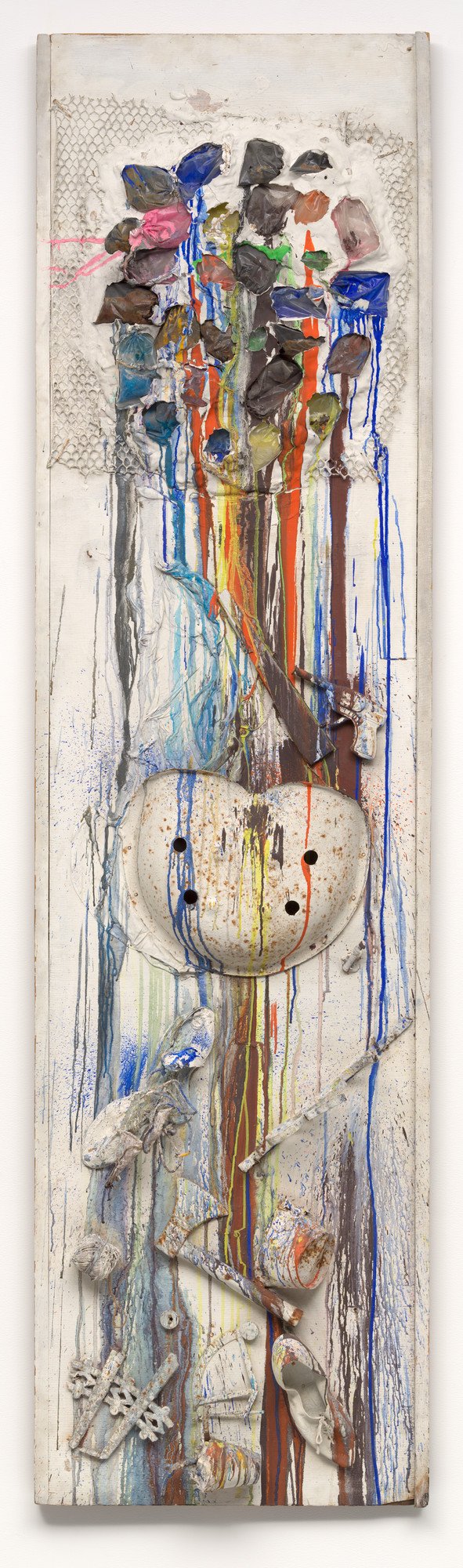
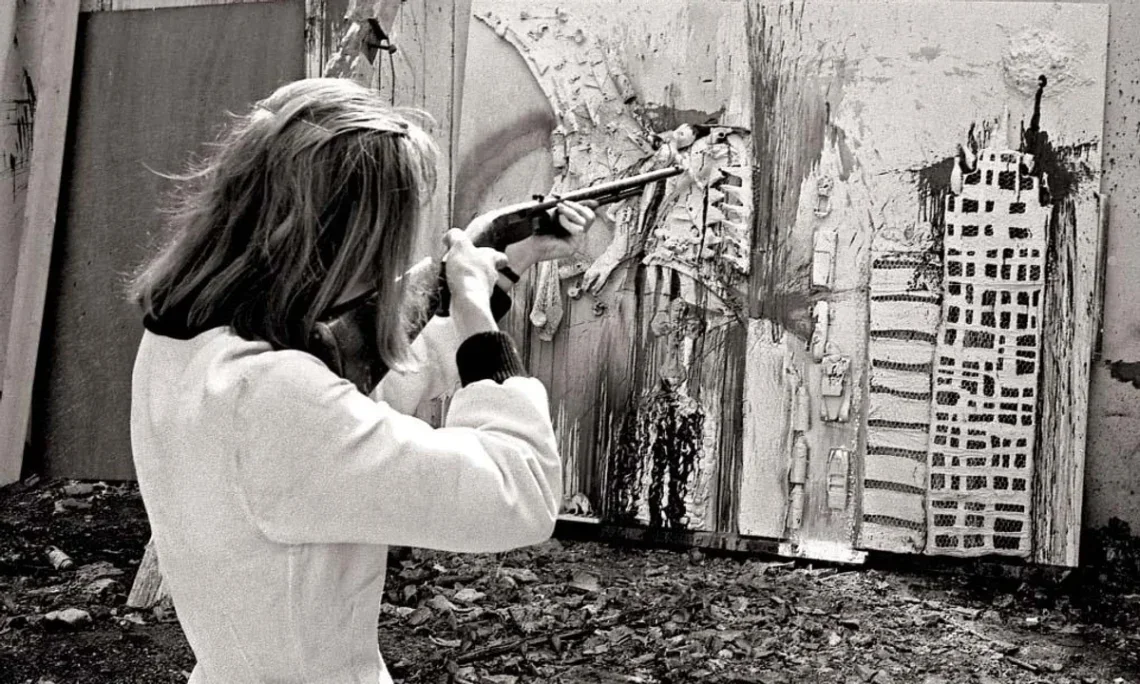
In 1963, Niki fired the last bullet against her past. The painful emotions cleared and there was an emergence of hope. She wanted to change the emotional message of her work.
“After the shooting paintings the anger was gone, but pain remained, then the pain left and I found myself in the studio, making joyous creatures to the glory of women.”
The glorious women were the Nana sculptures. Nana was slang at the time for a young woman; like the word chick. Niki was influenced by her pregnant friend Clarice Rivers. Niki saw the hope and joy of pregnancy, and she began to create large, round and boisterous female sculptures.
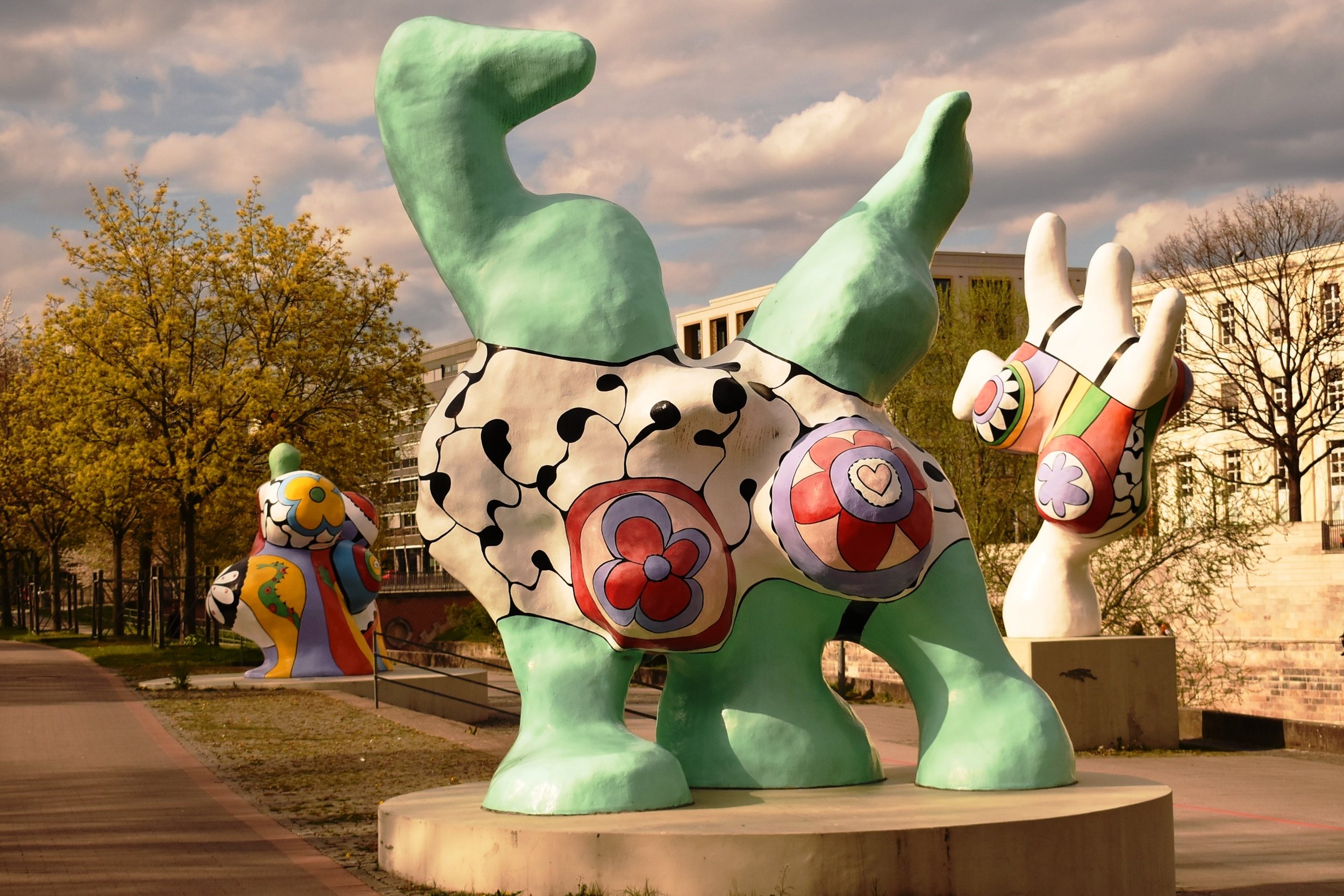
The Nanas were an image of free women who were joyous, colourful and dancing. It was the symbol of a society of the future, a maternal society where women had the power and freedom to express themselves. Her rebellion of joy begun. The Nanas were dominant and took up space, the opposite of what women at the time were taught by society. She sculpted the Nanas with fabric and paper mâché, then she began to use polyester and painted plaster to give them more structure. Nanas could be big or small; they could be on the wall or as a free-standing sculpture. The Nanas started to dance everywhere, and they are still visible in museums and cities all over the world today.
“I used to think there was a need to provoke, to attack religion, and the generals. And then I understood that there is nothing more shocking than joy.”
Niki was an activist who wanted to help and support women everywhere. Several Nanas were made in support of the Civil Rights Movement in the United States. She made black Nanas to support black women fighting against oppression. Niki said: “I am in solidarity with all those that society and the law exclude”. Her Black Rosy sculpture was in honour of Rosa Parks who powerfully refused to give up her seat on the bus to a white person during the segregation in the US.
Niki became a successful artist spreading hope and joy to the world, but she still had one great mission to complete. When she was 25, she visited Antoni Gaudí’s Park Güell in Barcelona, and she was moved and inspired. She realised it was her “destiny” to create a park of her own filled with sculptures and architecture.
“That day, my life changed. I told myself that one day, I too would build a garden of happiness.”
She kept the idea in the back of her mind over her career but then the moment came for her to fulfil her destiny. Niki described her sculptural garden to her friend Marella Caracciolo Agnelli who consulted her family and they offered Niki a plot of land in Tuscany to construct the dream garden. Niki began to conjure up shapes, sketches, plans and materials to construct the garden which would take her 20 years to complete. She gathered a team of local artisans to help her build the garden and she also funded the entire garden herself by creating products related to her art such as a perfume bottle for La Prairie which had her signature snake symbols and deep blue colour, her “colour of joy”.
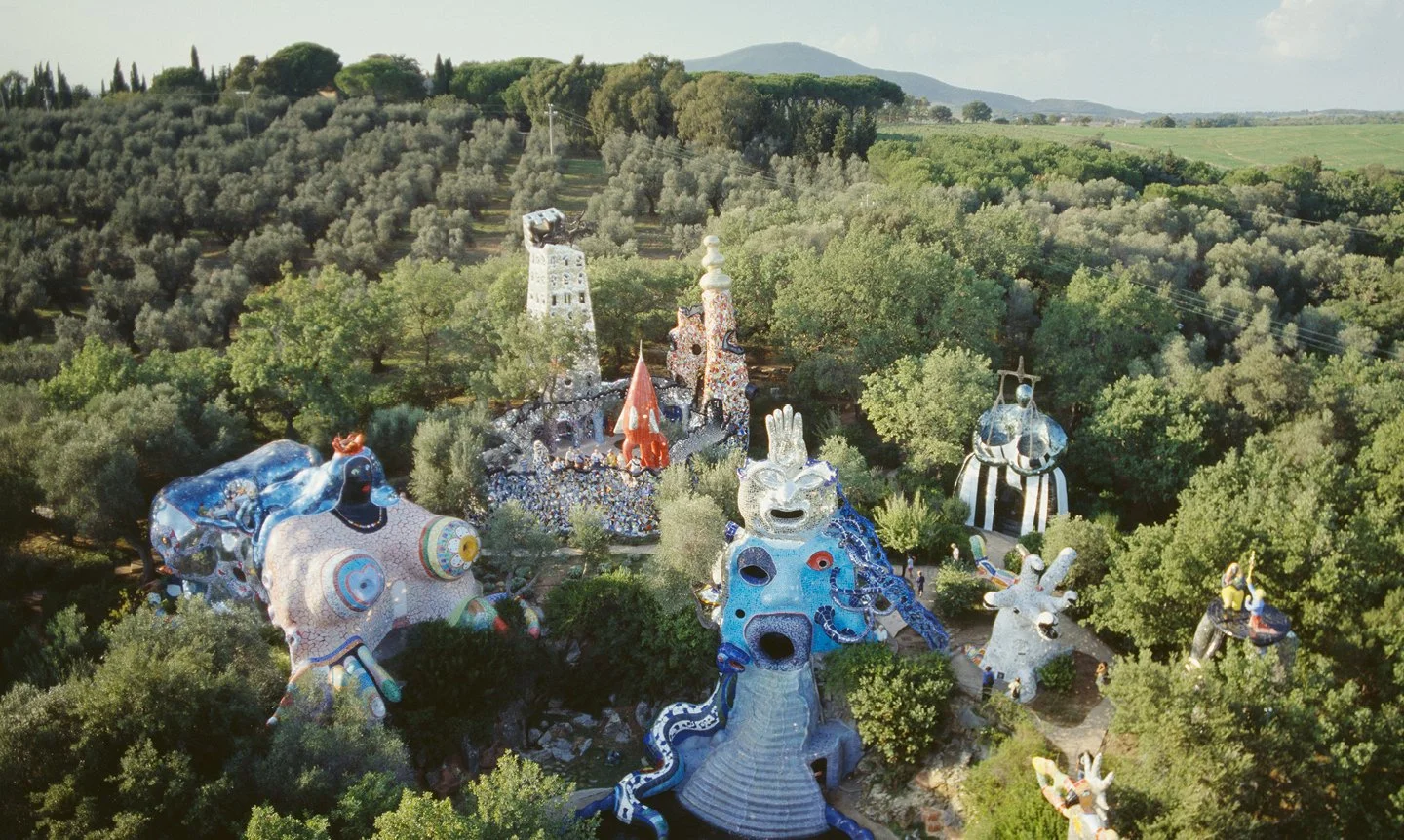
The Tarot Garden was a spiritual mission. Niki personally used tarot cards to connect to the divine, and she was inspired by spiritual designs and symbols from the deck to create her sculptures. The garden features 22 sculptures which represent the Major Arcana from the classic tarot deck, which are the most powerful cards and represent the biggest events or transformations in your life. The sculptures are breathtaking; they are gigantic and colourful. The figures tower over the garden and each figure was made using colourful mirror or ceramic tiles which were placed by hand individually for each structure. The mirrored tiles capture light beautifully and there are so many colour combinations and detail for each tile, it is made with incredible precision and attention. This is the culmination of love, joy and spirituality that she wished to share with the world. It is an enchanting place which you can still visit today; it is a place from fairy tales filled with female, animal or mythological figures which have a spiritual significance for each tarot card.
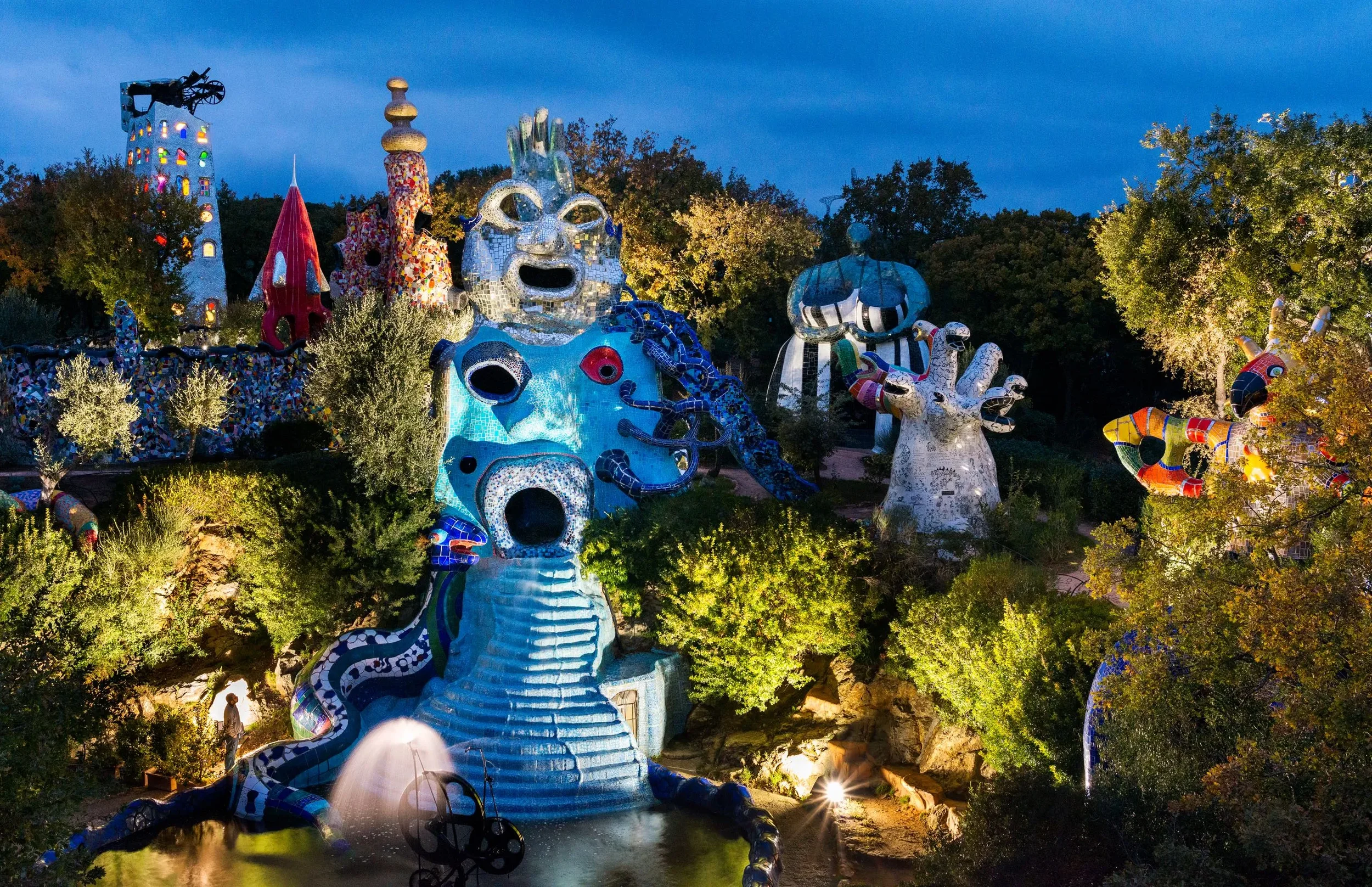
“Most of my sculptures have a timeless quality, reminiscences of ancient civilization and dreams. My work and life are like a fairy tale full of quests, evil dragons, hidden treasures, devouring mothers, witches, the bird of paradise, the good mother, glimpses of paradise, and descents into hell.”
The Tarot Garden is an intricate work of architecture and design. The Empress sculpture in the garden was designed as a functioning home, where Niki even lived for a while. Every room inside the Empress is a glistening cavern, the rooms are curved, organic and the mirrored tiles shine all around you. Her bathtub and shower are shaped as a huge blue snake that towers above you. It is a dazzling house which I completely expected for a magical woman like Niki.
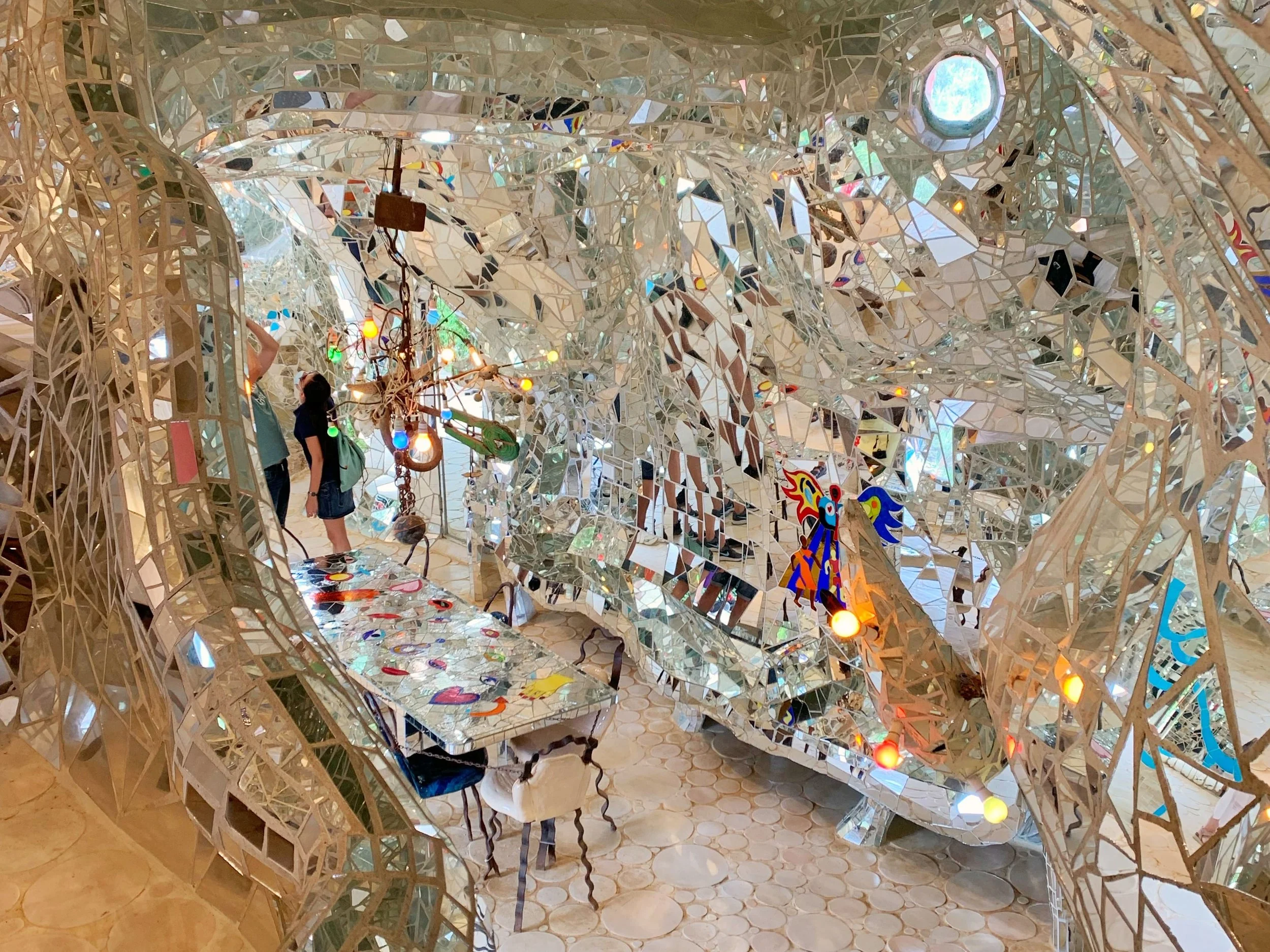
“Among other things I love is furniture. I have an irresistible urge to make things for the home. Crazy fun things.”
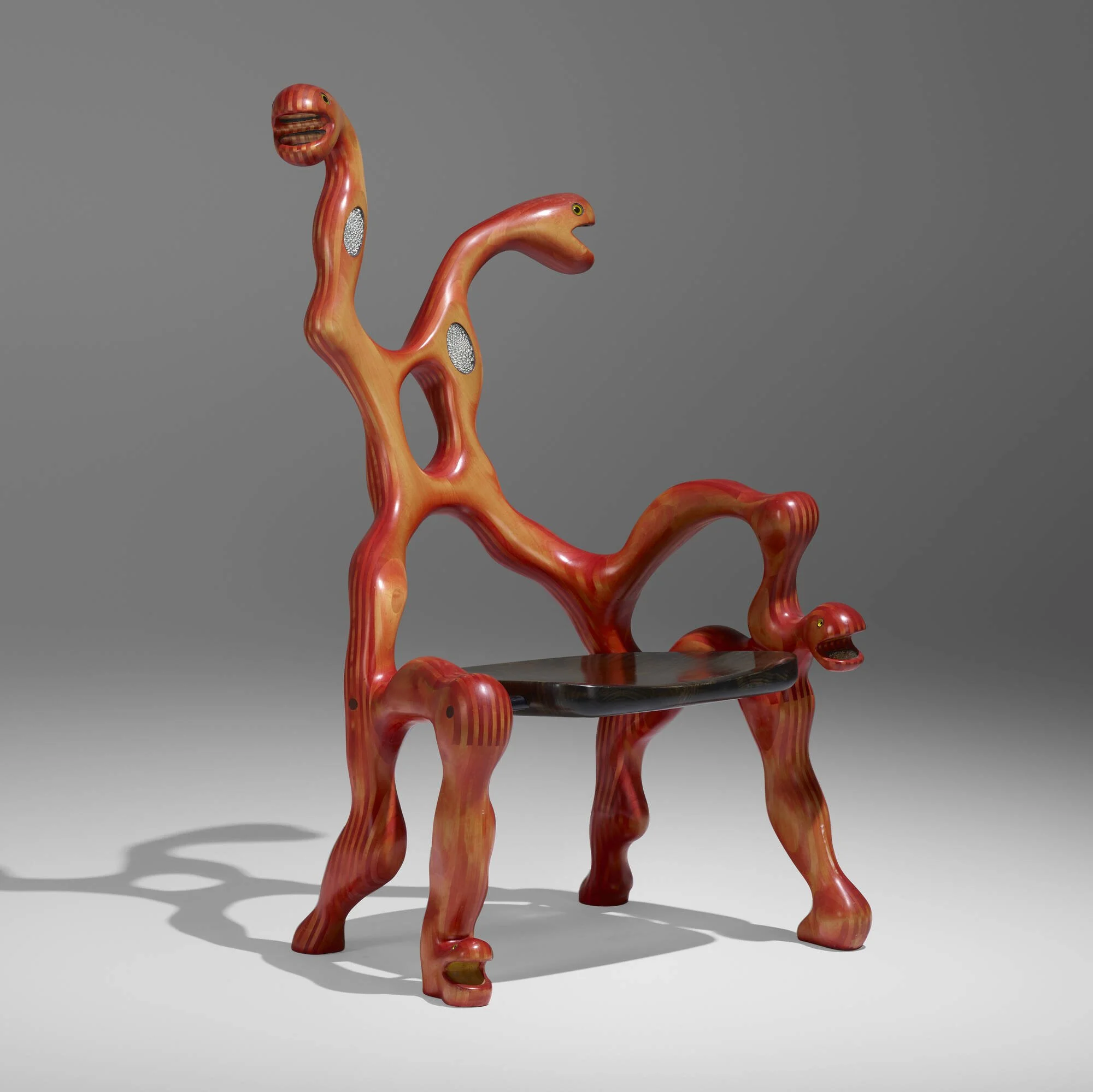
She also designed her own furniture throughout her life; for movies and for her own home. They were functional sculptures and feature her iconic colours, animal symbols and curves. She made her furniture out of painted polyester like her Nanas, then she met professional wood worker Del Cover who made over 100 pieces of wood furniture for Niki. The Serpent Chairs and Mirror Collection had colourful and spiralling snakes decorating the furniture. Niki always wanted to follow her dreams, and the serpent was a dreamy symbol for her. A symbol of life and death which is why it featured so prominently in most of her work. Her furniture allowed people to interact with her art, bring her magic into their homes and to feel her emotions and dreams which is also what I wish to achieve with my own designs.
After years of inhaling toxic polyester dust and glass fibres whilst making her sculptures Niki De Saint Phalle contracted emphysema and passed away in 2002. She was a creative powerhouse, a dreamer who pursued her ideas completely. She created beauty and magic within every artistic medium and she never gave up trying to make her dreams a reality. Her painful childhood pushed her rebellious nature, but this made her a powerful artist and activist. She fought for woman’s liberation and against oppression in society. She transformed pain into joy, and she sent that joy across the world.
Gertrude Stein the famous art collector and novelist, saw her and said she was the first free woman she had ever seen.
Niki’s emotion and spirit is what makes her work so magical, she is an inspiration to any creative which is why her legacy lives on. She believed that you should keep following your dreams and keep creating no matter what, to be as outrageous as you want and, most importantly, to do it with joy.