What the Strelitzia keeps
Flowers have always known how to say the things we cannot – grief, love, longing – without ever needing a voice. And time, more than anything, teaches us how to understand them.
Across centuries and continents, people have used flowers to communicate feelings without words — like in the Victorian era, when bouquets carried hidden messages, or in South Asia, where flowers are an important part of ceremonies and traditions.
I’m no floral expert nor am I a connoisseur, or really anything of the sort. I do not know the name of anything that blooms. But at my core, I remain the little girl who remembers her grandmother's garden: overflowing with the most vibrant colours, somehow surviving the unforgiving weather in the north of Germany, filled with extraordinary plants and flowers.
But more than anything, beyond its resilience against all odds, it was a garden filled with love. Spending my weekends surrounded by this blossoming environment, I had the privilege of growing up with a mindset that automatically associated flowers with love. Back then, the equation was simple: where there were flowers, there was care. Therefore I may be biased in saying this, but to me, the connection between flowers and love is arguably among the strongest associations we have. But for what reasons exactly?
Is it because the people who care for them – in my case, my truly one-of-a-kind grandmother – do so with such tenderness, that said flowers inevitably radiate love?
Or, is it because flowers are used as tangible gestures to mimic appreciation, comfort during tragedies and unspoken apologies? Optimistically – naively – I would like for it to be the latter. Realistically, I’m afraid it’s often the former.
I could write approximately one page on all the right reasons flowers are offered, and surely an entire novel on all the wrong ones. I’ve realised this more and more as I’ve grown older: the most beautifully assorted bouquets are not limited to a congratulation or a considerate birthday gift, the way we always used to think, or the way tradition would have us believe. A shame really, because in my humble opinion, flowers should never be offered as a makeup for one's wrongdoings.
It strips them of their beauty – of their sincerity. And while us humans have a track record of destroying most beautiful things, the least we could do is spare nature’s blossoms from meeting the same fate.
In a time where gestures can feel transactional, flowers risk becoming yet another shortcut.
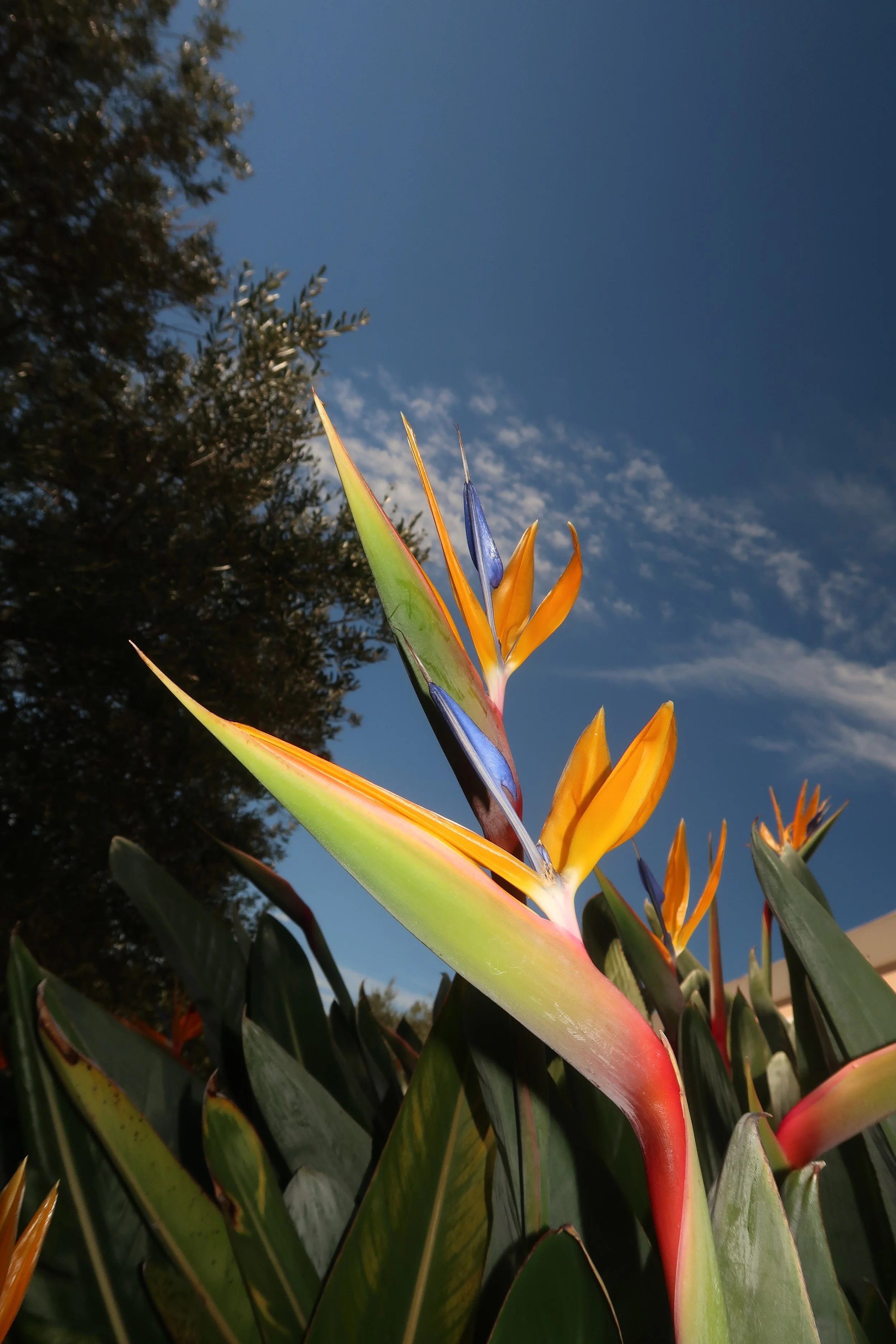
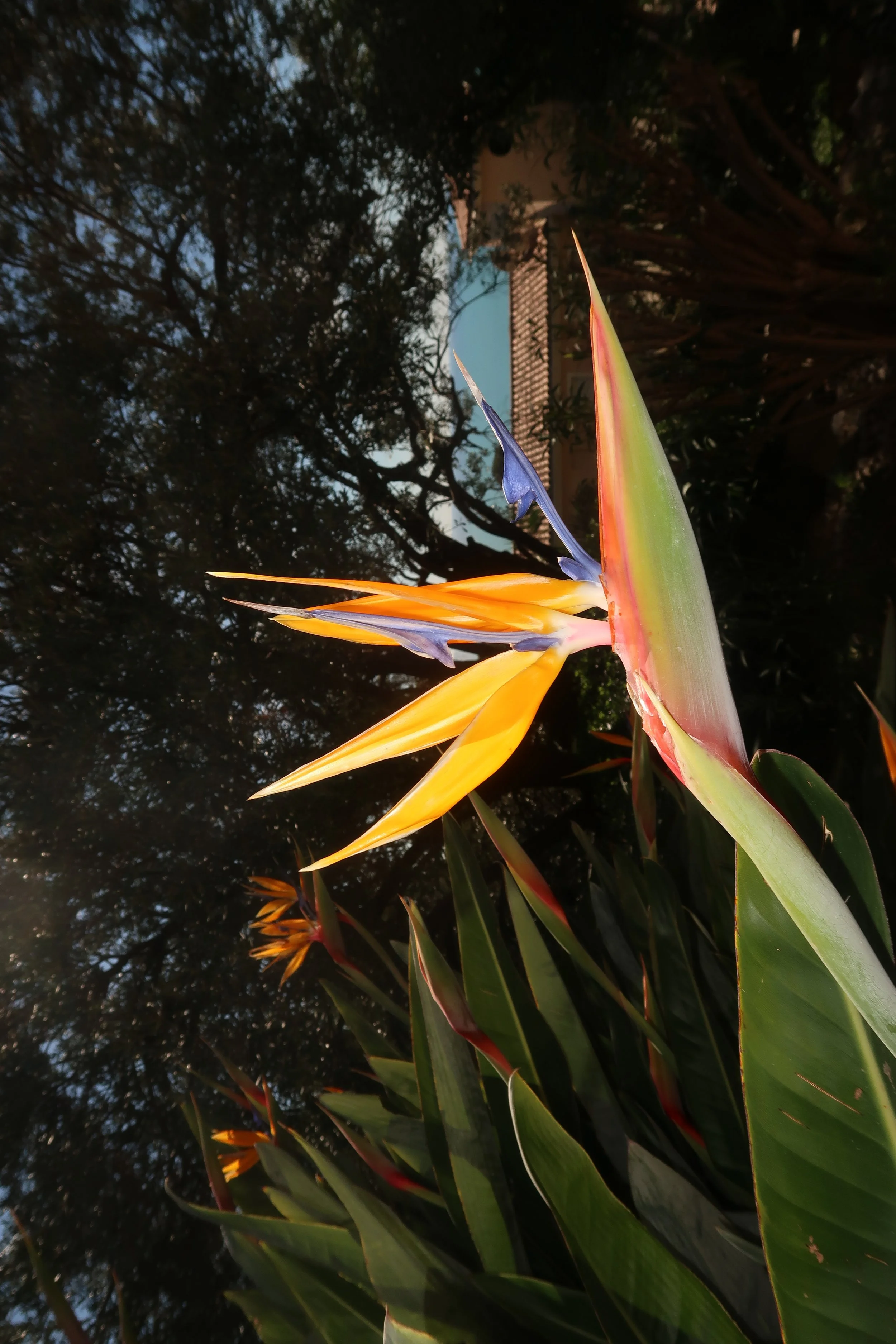
One flower I have always been especially fascinated by is the Strelitzia, more commonly known as the Bird of Paradise. Its name is not only rooted in its resemblance to a tropical bird mid-flight, but it was named in honour of Charlotte of Mecklenburg-Strelotz, and her love for flowers and plants. After a sudden urge to learn more about it, a flower I have always been so visually taken away by, turned out to have an even deeper symbolic value as well. Following my research, the main thing I discovered is that it can carry two meanings: firstly it is seen as the flower of freedom, secondly it also represents immortality. Now, I could dissect the cultural significance and symbolic value of such a flower to its deepest roots – but I won't. Plainly because I'm no botanist, but mainly because I think their beauty comes from the very nature of their individualism.
Their meaning — and this does not only apply to the strelitzia, but to all flowers — shifts with memory, with grief, with love, with the hands that give them and the hands that receive them.
For me, they carry a reminder of my grandmother's garden. For you, they may carry something completely different.
Perhaps that is what flowers keep – their meaning does not exist “just because” of the Victorian era coding or South Asian ceremonies. It depends entirely on the honesty of the hands that give them. And maybe that is what makes flowers so powerful in the first place: they are never just flowers. Maybe we just need to let them mean something?